
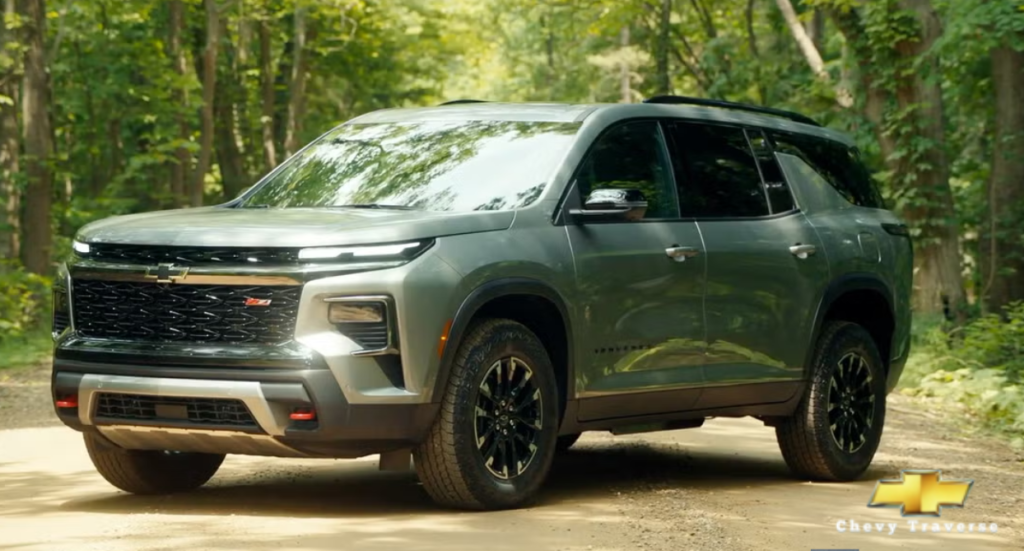
Buying a used Chevy Traverse can be a smart investment if you want a spacious, comfortable midsize SUV without paying the high price of a brand-new vehicle. However, choosing the right model year is essential because reliability, technology, safety, and resale value vary significantly from year to year. This detailed guide explains the best year for a used Chevy Traverse, which years are most reliable, which ones you should avoid, ownership costs, expert buying tips, and everything you need before purchasing.
History of the Chevy Traverse
The Traverse is produced by Chevrolet, a major General Motors brand. It debuted in 2009 as a midsize crossover SUV designed mainly for families needing three rows of seating, strong performance, and modern comfort.
Over the years, the Traverse evolved through two main generations:
First Generation (2009–2017)
Focused on space, practicality, and affordability. Some early reliability concerns existed.
Second Generation (2018–Present)
Redesigned platform with improved safety, technology, engine efficiency, and styling.
Understanding these generational changes helps identify the best-used models.
Why Buyers Choose a Used Chevy Traverse
Before discussing the best model years, it helps to understand why the Traverse remains popular:
Spacious Interior
One of the biggest advantages is interior space. It offers comfortable third-row seating and large cargo capacity, making it ideal for families.
Strong Performance
Most models use a V6 engine that balances power and smooth driving.
Affordable Pricing
Compared with many midsize SUVs, used Traverse models often cost less while offering similar features.
Comfortable Ride Quality
It’s designed for long highway trips with minimal driver fatigue.
These qualities make it a strong competitor against other midsize SUVs from brands like Ford Motor Company, Honda, and Toyota.
Best Year for Used Chevy Traverse
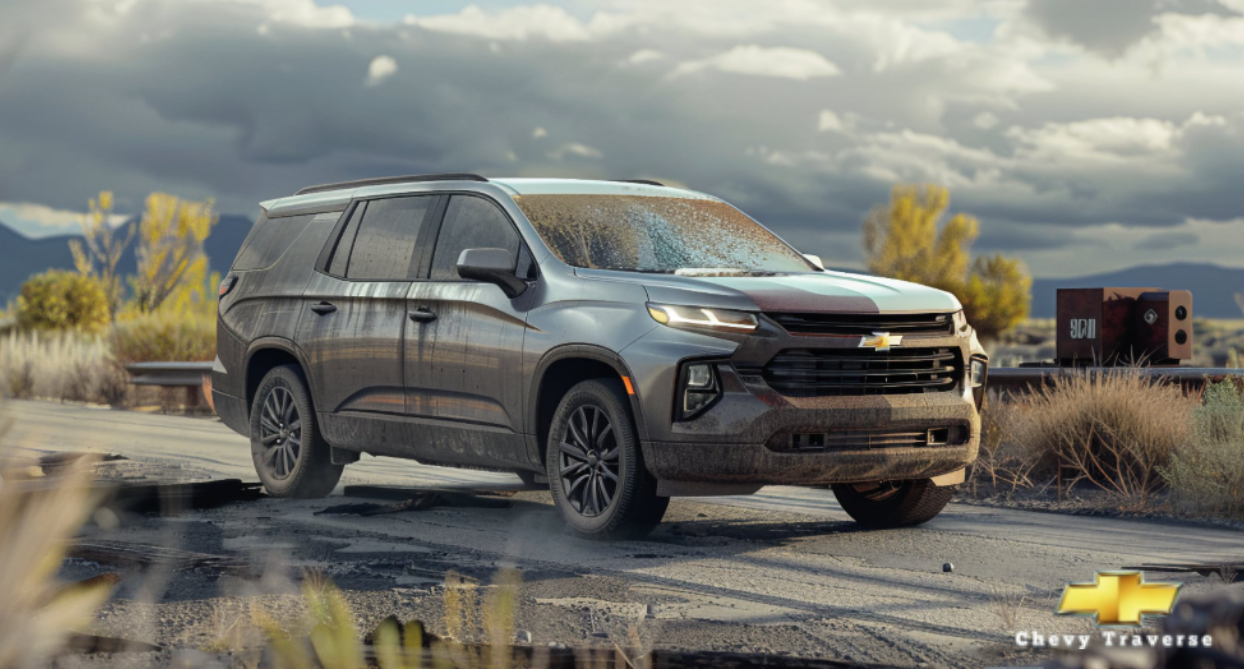
2018 Model – Best Overall Choice
The 2018 redesign marked a major improvement. It’s widely considered the best balance of affordability, reliability, and modern features.
Key highlights:
- Completely updated exterior design
- Improved fuel efficiency
- Better transmission performance
- Advanced safety technology
- Higher interior quality
If you want a modern used SUV without paying top dollar, the 2018 Traverse is often the best pick.
2019–2020 Models – Most Reliable Recent Options
These years refined the redesign further:
- Enhanced infotainment responsiveness
- Improved driver assistance features
- Fewer reported mechanical issues
- Better resale value
If your budget allows, these model years provide strong reliability and modern technology.
2017 Model – Best Budget Option
The final year of the first generation solved many earlier issues:
- Mature, proven engine design
- Lower used price
- Good availability in the market
It’s a good choice if you want affordability with acceptable reliability.
Chevy Traverse Years to Avoid
Not every model year performs equally well. Some early years reported higher maintenance concerns.
2009–2012 Models
Common issues reported include:
- Transmission problems
- Timing chain wear
- Higher repair frequency
These vehicles can still be reliable with proper maintenance, but risk levels are higher.
2014 Model Concerns
Some owners reported:
- Electrical glitches
- Engine hesitation
- Infotainment system issues
A thorough inspection is recommended before purchase.
Reliability Ratings and Safety
Safety ratings matter when buying any family SUV. Independent organizations like the IIHS and NHTSA have rated many Traverse models highly, especially after 2018.
Safety features often include:
- Forward collision alert
- Lane departure warning
- Blind-spot monitoring
- Rearview camera systems
Newer models offer significantly improved crash safety and driver assistance.
Engine Performance and Fuel Economy
Most Traverse models use a V6 engine delivering strong performance:
Typical benefits:
- Smooth highway acceleration
- Good towing capability
- Quiet driving experience
Fuel economy varies by year:
- Older models: Moderate efficiency
- 2018 and newer: Improved mileage due to engine upgrades
For a large SUV, fuel efficiency remains competitive.
Interior Features and Comfort
Interior comfort is one reason buyers prefer the Traverse.
Common interior benefits:
Seating Comfort
- Spacious three-row seating
- Available leather upholstery
- Heated and ventilated seats in higher trims
Infotainment Technology
- Touchscreen displays
- Smartphone connectivity
- Navigation options
Cargo Space
Among the best cargo capacities in its class, especially with folded rear seats.
Cost of Ownership
Understanding long-term costs is essential before buying any used SUV.
Maintenance Costs
Typical maintenance includes:
- Oil changes
- Brake replacements
- Tire rotation
- Transmission service
These costs are moderate compared with similar SUVs.
Insurance Costs
Insurance rates vary by:
- Model year
- Driver location
- Driving record
Generally, midsize SUVs like the Traverse have average insurance costs.
Fuel Costs
Fuel economy improvements after 2018 help reduce long-term expenses.
What to Check Before Buying a Used Chevy Traverse
Always perform proper checks before finalizing a purchase.
Vehicle History Report
This shows:
- Accident history
- Ownership records
- Service intervals
Mechanical Inspection
Have a trusted mechanic check:
- Engine performance
- Transmission health
- Suspension condition
- Brake system
Test Drive
During the test drive, observe:
- Acceleration smoothness
- Steering response
- Noise levels
- Technology functionality
These checks prevent costly surprises.
Common Problems Owners Report
Even reliable vehicles can have recurring issues.
Some known Traverse concerns include:
- Transmission shifting issues in older models
- Electronic sensor malfunctions
- Air conditioning compressor wear
Regular maintenance reduces risk significantly.
Resale Value and Depreciation
The Traverse holds value reasonably well compared with many midsize SUVs.
Factors affecting resale:
- Mileage
- Service history
- Accident record
- Trim level
Newer models typically depreciate more slowly.
Best Trim Levels to Consider
Different trims offer varying comfort and technology.
Popular trims include:
LS Trim
Basic but affordable.
LT Trim
Balanced features and price.
Premier Trim
Luxury features and premium materials.
High Country Trim
Top-tier comfort and advanced technology.
Choosing the right trim depends on budget and preferences.
Is AWD Worth It in a Used Traverse?
All-wheel drive (AWD) benefits include:
- Better traction in rain or snow
- Improved off-road confidence
- Enhanced stability
However, AWD models usually cost more and consume slightly more fuel.
Family Suitability
The Traverse excels as a family SUV due to:
- Spacious seating
- Safety technology
- Smooth ride quality
- Large cargo space
Parents often appreciate easy third-row access.
Long-Term Durability
With proper maintenance, many Traverse models exceed:
- 150,000 to 200,000 miles lifespan
- Reliable engine longevity
- Strong structural durability
Regular servicing is key.
Comparison With Other Midsize SUVs
When compared with competitors:
- Often more spacious
- Usually more affordable used
- Comparable safety ratings
- Strong performance for family driving
This makes it a practical alternative in the midsize SUV market.
Expert Buying Tips
To ensure a successful purchase:
- Research model year reliability first
- Avoid vehicles without service records
- Compare multiple listings
- Negotiate a price based on the condition
- Always inspect before buying
These steps reduce risks significantly
Final Verdict – Best Year for Used Chevy Traverse
If you want the best overall value:
- 2018 model – Best balance of price, reliability, and features
- 2019–2020 models – Most reliable modern options
- 2017 model – Best affordable older choice
Avoid early models unless thoroughly inspected.
Choosing the right year ensures comfort, reliability, and long-term satisfaction.
FAQs
What is the best year for used chevy traverse?
Most experts recommend 2018–2020 models because they offer better reliability, modern safety features, and improved fuel efficiency.
Which Traverse years should I avoid?
Generally, 2009–2012 models reported more mechanical issues, especially transmission problems.
Is the Chevy Traverse expensive to maintain?
Maintenance costs are moderate compared with other midsize SUVs, especially with regular servicing.
How long can a Chevy Traverse last?
With proper care, many models exceed 200,000 miles.
Is the Traverse a good family SUV?
Yes. It offers spacious seating, strong safety ratings, and excellent cargo capacity.